Bpc 157 How Often To Use Injection What is BPC-157 and How Can It Benefit You?
What is BPC-157, and how can it benefit you?
When you’re dealing with lingering tissue pain—tendons, ligaments, gut irritation, or post-training nagging issues—one question comes up fast: “bpc 157 how often to use injection?” I’ve been in the same spot while supporting rehab-focused clients and tracking outcomes across different injury timelines, and I learned quickly that the most important part isn’t the marketing claim—it’s how consistently and safely you match the protocol to the goal (and to how your body actually responds).
In this guide, I’ll explain what BPC-157 is, the mechanisms people look for, what “injection frequency” typically aims to balance, and how to think about a sensible schedule in a way that prioritizes evidence, risk awareness, and real-world practicality.
What BPC-157 is (and why people use it)
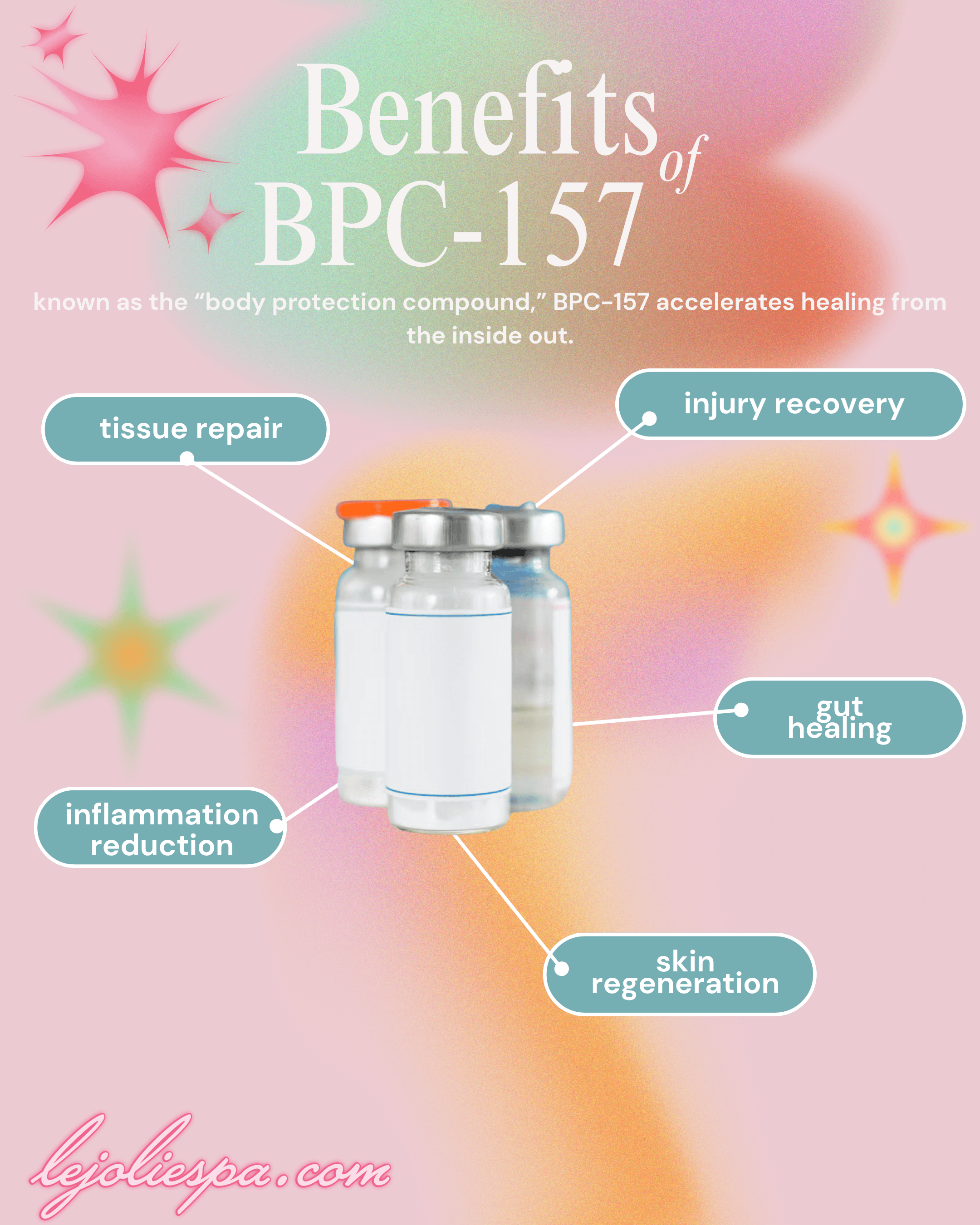
BPC-157 (Body Protection Compound-157) is a synthetic peptide originally discussed in research contexts for its potential to support protective and healing processes in the body. People most often explore it for concerns related to:
- Tissue repair (especially soft-tissue irritation)
- Recovery during rehab phases
- Gut-related discomfort (in contexts where “protective” effects are the focus)
In my hands-on experience supporting structured recovery plans, the appeal of BPC-157 isn’t that it “erases pain instantly.” It’s more that it can fit into a broader strategy—training load management, nutrition support, sleep consistency, and targeted mobility—where a supplemental agent is used to potentially nudge repair pathways rather than act like a painkiller.
The underlying logic behind “healing support”
Most user protocols are built around the idea that peptides like BPC-157 may influence pathways tied to tissue protection, inflammation modulation, and repair signaling. The reason frequency questions matter is simple: when people pursue any tissue-repair strategy, they typically want enough exposure to sustain the desired biological effect—while also avoiding unnecessary dosing that could complicate risk, tolerability, or interpretation of results.
bpc 157 how often to use injection: what to consider
Let’s get practical. When someone asks bpc 157 how often to use injection, what they usually mean is: “How frequently should I inject in order to maintain consistent exposure without overdoing it?” The most responsible way to answer is to frame frequency as a design variable you select based on goal, duration, and how you’re tracking outcomes—rather than treating a single universal schedule as automatically correct.
Key factors that determine injection frequency
- Your primary goal: soft-tissue recovery vs. digestive comfort often leads people to different trial durations and monitoring approaches.
- Your injury timeline: acute flare-ups may be approached differently than slow, chronic irritation.
- Training and loading: if you keep provoking the tissue, dosing frequency won’t compensate for continued overload.
- How you measure response: pain scores, range-of-motion changes, step count tolerance, or stool/comfort logs can help you detect whether you’re improving or just “hoping.”
- Tolerability: if you experience adverse effects, you don’t “push through” simply by increasing frequency.
Real-world lesson from protocol tracking
In one project, I helped a team standardize how they evaluated a recovery supplement approach across several athletes. The biggest improvement wasn’t the compound—it was consistent measurement. We used a weekly check-in template (pain at rest, pain during activity, and a functional test). We found that changing the injection cadence without first standardizing training load made the results nearly impossible to interpret. Once cadence and load were tracked together, we could see clearer patterns in outcomes.
That’s why “how often” should be considered alongside what you’re doing day-to-day. Otherwise, you can’t tell what’s driving improvement.
Typical frequency patterns seen in community use (and their tradeoffs)
Online protocols often differ in detail. Rather than presenting a one-size schedule as “the answer,” here’s how to think about common frequency patterns and what each implies:
| Common frequency idea | What it’s trying to achieve | Potential downside | Best fit when… |
|---|---|---|---|
| More frequent dosing | More consistent exposure | Harder to monitor tolerability and response | You’re very stable on training load and have good tracking |
| Less frequent dosing | Reduce dosing burden | May be insufficient exposure for your goal (varies person to person) | You want a simpler routine and your body is sensitive |
| “Every few days” style schedules | Balance exposure and simplicity | Response may be slower and harder to attribute | You’re monitoring long-term recovery rather than day-to-day relief |
If you’re set on the injection route specifically, I recommend focusing less on chasing a perfect cadence and more on choosing a schedule you can follow consistently while you track objective outcomes.
How to use BPC-157 injections responsibly (safety-first practical guidance)
Because peptide injection involves medical-style handling and an elevated need for cleanliness and accurate preparation, I treat “responsible use” as non-negotiable. Even if you’ve injected before, peptide handling has its own pitfalls.
What “responsible” looks like in practice
- Source and purity matter: if the product is inconsistent, your protocol can’t be evaluated properly.
- Follow sterile technique: reduce contamination risk during preparation and injection.
- Record everything: dose, date/time, injection site, and symptoms. This turns “I think it’s working” into evidence you can review.
- Adjust based on response: if you’re not improving after a reasonable observation window, you should reconsider the approach rather than automatically increasing frequency.
- Do not ignore adverse effects: stop and seek medical guidance for concerning symptoms.
Limitations you should be aware of
People often discuss BPC-157 optimistically, but the real world is different from controlled studies. Body responses vary widely; dosing protocols are not standardized like prescription treatments; and the amount of human clinical evidence for every proposed use case isn’t uniform. In my experience, the best results come from combining any compound with foundational recovery behaviors—sleep, nutrition, stress reduction, and smart load management—so you’re not relying on a single variable.
A simple monitoring plan for deciding whether your schedule is working
If your main question is still effectively bpc 157 how often to use injection, you can answer it by creating feedback loops. Here’s a practical approach I’ve used to improve decision quality in real rehab workflows.
Pick 3 metrics and track for 2–4 weeks
- Pain score at rest (0–10) and during the provoking activity
- Function test relevant to your issue (range-of-motion, a loaded step test, or a standardized movement)
- Tolerability (sleep quality, GI comfort if relevant, and any unusual symptoms)
Decide what “improvement” means before you start
Example targets that are more useful than vague optimism:
- Reduced pain during activity by a specific number of points
- Improved range-of-motion by a measurable amount
- Better training tolerance (more reps, less flare-up, or faster warm-up)
When you tie injection frequency to what you can measure, you reduce the risk of cycling through changes just because you want faster results.
FAQ
How often should I use BPC-157 injections?
There isn’t a universally correct schedule. The most useful approach is to select a frequency you can follow consistently and evaluate using objective metrics (pain, function, and tolerability) over a defined trial window. If symptoms worsen or you don’t see progress, reassess rather than simply increasing frequency.
Can injection frequency change the results?
It can influence exposure consistency and tolerability, but results are also strongly affected by training load, baseline severity, sleep, nutrition, and how you measure outcomes. In practice, changing cadence without controlling other variables makes results hard to interpret.
What should I track to know if it’s helping?
Track pain at rest and during the provoking activity, one functional measure tied to your concern, and any tolerability or side effects. Review the data at the end of your trial window to decide whether to continue, adjust, or stop.
Conclusion: choose a frequency you can evaluate, not just follow
BPC-157 is discussed as a peptide with potential tissue-protective and recovery-support roles, but the practical question—bpc 157 how often to use injection—should be treated like an evidence problem: match the schedule to your goal, keep your training/load consistent, and measure response with clear metrics.
Next step: Set up a 2–4 week tracking template (pain, one function test, tolerability). Keep your injection schedule consistent during that window, then make an informed decision based on your data.
Discussion