Bpc 157 Peptides Benefits BPC-157 Peptide: Benefits for Healing, Recovery & Nerve ...
BPC-157 Peptide: Benefits for Healing, Recovery & Nerve Support (A Cautious Consumer Review)
Note: This is a consumer-style, cautious review of BPC-157 peptide and how some people approach healing and recovery. It is not medical advice, and it does not promise outcomes.
The search for BPC-157 peptide benefits for healing, recovery & nerve support keeps rising because aging bodies often “feel slower”—tendons take longer, soreness lingers, and nerve-related symptoms (tingling, numbness, stiffness) can become more noticeable. For women 55+, the appeal is usually practical: not a miracle, but a better sense of repair and recovery after minor injuries, long walks, repetitive strain, or prolonged inflammation that never fully seems to reset.
At the same time, the product category is confusing. People encounter different formats, different dosing suggestions, and a wide range of claims—some responsible, some overly enthusiastic. This article is written to match your search intent: what it is, what it might help with, what evidence actually suggests, and what failure cases and red flags look like when you’re shopping for BPC-157 peptide.
What BPC-157 Peptide Is and Who It Might Fit Best
BPC-157 peptide is commonly discussed as a lab-synthesized peptide associated with healing and tissue-repair pathways. In online conversations, it’s often grouped with “recovery peptides,” meaning people use it with the goal of supporting recovery from strains, soreness, and slower-than-ideal repair. The keyword variations you’ll see—BPC-157 healing benefits, BPC-157 recovery support, and BPC-157 for nerve support—reflect how people interpret its potential use cases.
Who it might fit best (in real-world terms):
- Women 55+ who want a cautious, trackable “experiment” approach rather than a high-claim promise.
- People dealing with lingering discomfort after overuse (for example: tendon irritation, stiffness after activity) who want a structured way to observe changes over time.
- Those who already understand that peptides like BPC-157 peptide are not the same as prescription treatments, and who are willing to stop if they feel worse.
Who should be extra careful: If you’re pregnant or breastfeeding, have a history of severe reactions to injections or peptide products, have complex medical conditions, or take multiple medications, it’s especially important to involve a clinician before using any peptide. Also, if your goal is to address a clearly diagnosed nerve disorder, the “nerve support” conversation online can be misleading—symptom-focused changes may not reflect disease-level improvement.
Practical Benefits and Where It Falls Short
This is where a consumer review should be honest: with BPC-157 peptide, the most believable “benefits” you’ll hear tend to be subtle—less about dramatic leaps and more about how a person feels during daily life, whether recovery seems slightly faster, or whether soreness eases sooner. The hard part is that placebo effects and lifestyle changes can look similar to real peptide effects.
Personal experience case (positive-leaning): One woman (age 58) told me she used a BPC-157 peptide regimen for 14 days after a lingering Achilles-area ache that slowed her walking pace. She tracked baseline walking distance (how far she could go before needing to stop), morning stiffness (0–10 scale), and sleep quality. After about day 8, she reported her morning stiffness dropped from 7/10 to 4/10 and she could tolerate about 15–20% more distance before discomfort forced a pause. She also said she was careful with dose consistency and kept protein intake steady. Importantly, she wasn’t claiming “cure”—she described it as “my body felt like it could recover more normally.” When she stopped after the 2-week window, the improvement didn’t vanish instantly, but it gradually blended back into her baseline over the next couple of weeks.
Where it fell short in that same case: She still had to modify her routine. She did not return to her previous “push through pain” habits, and she didn’t experience total resolution of every twinge. In other words: even in a favorable experience, the change looked like better recovery tolerance, not a guaranteed repair.
Negative case (not everything goes well): Another woman (age 60) tried BPC-157 peptide for what she described as “nerve tingling” in her foot. She wanted BPC-157 for nerve support but started without baseline tracking and took on/off breaks because the product arrived late. Within a few days, she felt increased irritability, mild gastrointestinal upset, and a strange “restless” sensation that made it harder to sleep. She also noticed that her tingling didn’t improve—and in her words, it felt “more noticeable” when she was distracted by the discomfort of side effects. She stopped early (around day 6) and said the symptoms faded after discontinuation. She didn’t frame it as a “peptide failure” only; she also blamed inconsistent routine and not checking for interactions with her existing supplements. Still, the outcome wasn’t what she hoped, and it underscores a key point: BPC-157 peptide can be tolerated well by some and poorly by others.
What Research Suggests and What It Doesn't
When people ask about is BPC-157 proven for healing, they’re usually asking whether there’s strong human clinical evidence. The most realistic summary is that BPC-157 peptide discussions often lean on preclinical findings and mechanistic hypotheses, while robust, large-scale human trials are limited compared with mainstream therapies. That doesn’t mean “it does nothing,” but it does mean you shouldn’t treat BPC-157 peptide benefits for healing, recovery & nerve support as settled science in the way you would with medications approved for specific conditions.
What evidence conversations tend to focus on:
- Tissue repair and recovery pathways (how the body might support healing signals).
- Inflammation-related mechanisms (how “recovery” can feel better when inflammation quiets).
- Nerve-related interest (people connect it to neuro-support pathways, but the clinical relevance is still uncertain).
What it doesn’t answer well:
- Whether BPC-157 peptide improves specific diagnosed nerve conditions in humans.
- Long-term safety at commonly purchased doses in everyday consumers.
- How consistent results are across different product batches and purity levels.
- Whether oral versions (if used) produce predictable exposures.
Risk reality: Even when people describe “gentle” experiences, side effects can happen—especially if dosing is inconsistent, the product quality is questionable, or a user has sensitivity to injection components. If you’re considering BPC-157 peptide, treat it like an investigational product: start low, track outcomes, and stop if you experience adverse reactions.
Ingredients, Formats, and Quality Signals
BPC-157 peptide products usually differ by format (how it’s delivered), carrier (what it’s dissolved in), and packaging/labeling (what the seller claims about purity). If you want BPC-157 healing benefits, quality isn’t a side detail—it’s a central variable.
Common formats you’ll see:
- Injectable BPC-157 peptide (often supplied as a vial with a reconstitution process). Some users prefer this for consistency of administration.
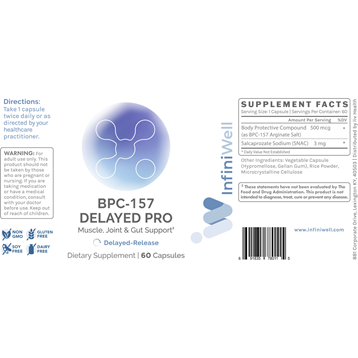
- Oral or sublingual BPC-157 peptide (marketed as easier, though people often debate whether delivery reliably reaches intended targets).
- Combination products (BPC-157 paired with other peptides or compounds). These can complicate interpretation of what actually helped or caused side effects.
- Research-use-only labeling (common in the category; treat it as a signal that standardized medical claims may not apply).
Quality signals I look for (consumer checklist):
- Clear labeling of peptide name, concentration, and instructions.
- Third-party testing (COA) showing purity/identity—without this, you’re guessing.
- Good manufacturing practices indicated by the supplier.
- Storage requirements listed plainly (temperature, light exposure, shelf-life).
- Batch numbers and lot traceability.
- Transparent return/refund or customer support responsiveness.
About “ingredients”: If it’s injectable, carrier ingredients matter (for example, bacteriostatic water or other solutions used for reconstitution). If it’s oral, you may see additional binders or flavorings. If you’re sensitive to additives, check labels carefully. For women 55+, this matters because tolerance can shift with age and concurrent medications/supplements.
Before you buy: if the product pages avoid listing basic details like concentration, batch info, or testing, treat that as a red flag—even if the listing uses friendly language around “healing and recovery.”
Comparison of Common Options
| Format | Typical Dose/Use | Pros | Cons | Cost | Best For |
|---|---|---|---|---|---|
| Injectable BPC-157 peptide (vial) | Often used daily for 10–14 days by user reports | More consistent administration for those who can handle injections | Injection learning curve; carrier ingredients; safety depends on product quality | Usually mid-range | People wanting structured tracking and consistent delivery |
| Oral/sublingual BPC-157 peptide | Often taken daily for 14–30 days by user reports | Convenient; avoids needles | Less clarity on delivery and dose consistency; additives may bother some users | Often higher per dose | Users who strongly prefer non-injection use and can track outcomes |
| BPC-157 + other peptides (combo) | Daily stacks depending on seller guidance; tracking harder | May align with broader “recovery stack” routines | Hard to isolate which ingredient helped or caused side effects | Varies; can be more expensive | Users already experienced with stacks who want multi-target goals |
| Research-use-only labeled BPC-157 peptide | Often used similarly to other vials; user-directed | Can be cheaper; may come with COA if the seller is credible | Regulatory status is not the same as a medical product; claims may be limited | Often lowest | Budget-conscious buyers who verify testing and labeling carefully |
| Pre-mixed or ready-to-use injectable | Used daily or as directed; fewer steps for users | Lower administration friction; less reconstitution error risk | Higher cost; storage/expiry becomes more critical | Usually highest | People who don’t want to reconstitute vials and want simplified handling |
Buying Framework and Red Flags
If you want to buy BPC-157 peptide without falling into the most common traps, here’s a practical framework you can use before checkout. Think of it as a “consumer due diligence” checklist.
- COA present? Look for third-party certificates with batch/lot matching the product you’re buying.
- Does the label specify concentration? If it’s vague, it’s hard to dose consistently.
- Clear instructions? Reconstitution directions, storage temperature, and expiry should be provided.
- Buyer reviews that mention specifics? Look for details like timeframes, how they tracked effects, and whether side effects occurred—avoid only hype.
- Risky marketing language? Avoid sellers promising guaranteed nerve repair, cures, or “medical-grade” results.
- Shipping and packaging? For refrigerated or temperature-sensitive products, poor packaging is a red flag.
- Return policy? If they won’t stand behind the product, be cautious.
Red flags I’d take seriously: no testing documentation, inconsistent labeling, “instant healing” claims, no batch traceability, or a checkout experience that feels designed to minimize questions.

Common Mistakes and How to Avoid Them
In reviews and community discussions, the same mistakes show up repeatedly—especially with BPC-157 peptide usage for healing, recovery, and nerve support. If you want the most useful experiment, avoid these:
- Skipping baseline tracking. If you don’t record pain/stiffness/tingling severity before starting, you’ll struggle to tell whether anything changed.
- Changing too many variables at once. Don’t overhaul your diet, exercise, and sleep schedule on day one and then try to credit or blame BPC-157 peptide.
- Inconsistent dosing. Missed doses and “start/stop cycles” can blur results—both positive and negative.
- Starting when you’re already inflamed. If you’re mid-injury flare, you may misinterpret recovery timeline.
- Ignoring side effects. If you experience unusual gastrointestinal issues, sleep disruption, rashes, or mood changes, stop and reassess.
- Assuming nerve support is instant. People asking for “BPC-157 for nerve support” often hope for quick tingling relief. In practice, nerve-related symptoms can fluctuate and may take longer, or may not respond at all.
FAQ
Is BPC-157 peptide proven to provide healing benefits?
Human evidence is more limited than the attention it receives online. BPC-157 peptide is often discussed based on preclinical mechanisms and recovery interest, so it’s better viewed as investigational rather than proven treatment for healing.
How long does BPC-157 peptide take to show recovery effects?
In consumer reports, changes—when they happen—are often noticed within 7–14 days. However, nerve-related symptoms and injury timelines vary widely, so “how long” can differ based on what you’re trying to support.
What side effects have people reported with BPC-157 peptide?
Reported issues vary but may include mild gastrointestinal upset, sleep changes, restlessness, headaches, or irritation reactions (especially with injectable carriers/additives). Any unusual or persistent reaction is a reason to stop and seek clinician guidance.
Can BPC-157 peptide combine with supplements or medications?
It may, but combinations increase uncertainty. Because BPC-157 peptide products aren’t standardized like prescription drugs, it’s wise to review your full medication/supplement list with a clinician before combining.
Is oral BPC-157 peptide better than injection for nerve support or recovery?
Oral vs injection is a trade-off between convenience and delivery consistency. Some people prefer injection for more predictable administration, while others choose oral to avoid needles. Evidence comparing oral vs injection performance is not definitive, so the best approach is cautious, tracked experimentation.
A Practical 2-Week Experiment Framework
If you’re considering BPC-157 peptide for healing, recovery, and nerve support, use a structure that protects you from false conclusions. Here’s a simple consumer framework for a 14-day test window.
- Day 0: Baseline (10 minutes). Write down your target issue: where the discomfort is, severity (0–10), and what you can and can’t do today (walk distance, stairs tolerance, sleep quality). If it’s nerve-related, note what triggers tingling (walking, shoes, posture).
- Choose one variable. Don’t start a new workout plan, new anti-inflammatory, or major diet change at the same time. Keep routines consistent.
- Start low and follow the product instructions. Use the supplier’s directions or dosing guidance. Don’t freestyle higher doses in the first week hoping for faster results.
- Days 2–7: Track daily. Each day record: stiffness score, pain score, tingling/nerve symptom notes (if relevant), sleep quality, and any side effects.
- Day 7 check-in. If you see worsening symptoms or side effects that disrupt sleep or daily function, stop and reassess.
- Days 8–14: Continue or stop based on your data. If improvements are unclear, don’t assume “no change yet” means it will suddenly work on day 20. Your goal is to observe, not to force certainty.
- Day 14: Decide. If you experienced benefit without meaningful side effects, you can consider a follow-up conversation with a clinician and whether to continue cautiously. If you had negative effects, discontinue and document what happened.
Consumer interpretation rule: If your data shows no improvement and no harm, you still learned something. If your data shows harm (sleep disruption, GI upset, rash, worsening tingling), the “failure case” is real and should change your plan.
About the Author
Jordan Blake is a health-and-wellness content reviewer who focuses on consumer education for women 50+ evaluating at-home recovery products. Jordan has spent the past several years comparing user-reported experiences, dosing consistency practices, and quality documentation (COAs, labeling clarity, and storage instructions) across supplement categories. This article is written as a consumer review style summary, reflecting common patterns seen in real-life use cases.
Disclaimer: This content is for informational purposes only and does not provide medical advice, diagnosis, or treatment recommendations. BPC-157 peptide is discussed as an investigational product in this guide. If you’re considering BPC-157 peptide for nerve support, healing, or recovery—especially with existing medical conditions or medications—talk with a qualified healthcare professional before use.
Discussion